Master the Art & Science of Essential Oils
If you are here because you want the highest-quality Aromatherapy education available, so you can feel 100% confident in your ability to use essential oils safely and effectively – and share them with others. You’re in the right place! Get started today, for free!


Aromatherapy Certification Program
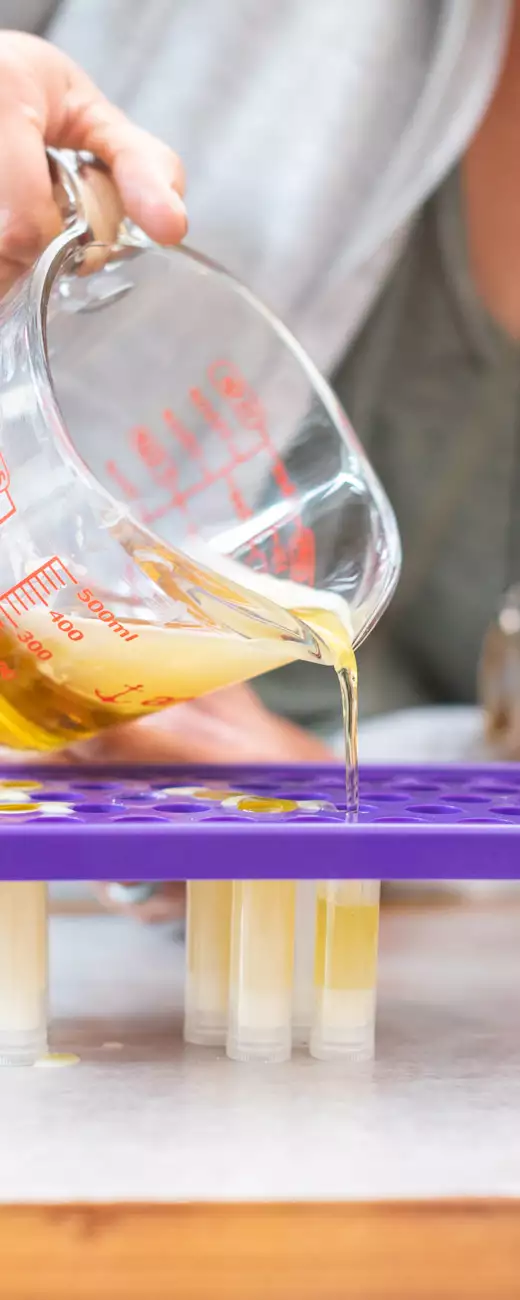
Whether you want to transform your career or just gain a thorough understanding of why essential oils work, our flagship course helps you master the art and science of blending your essential oils.
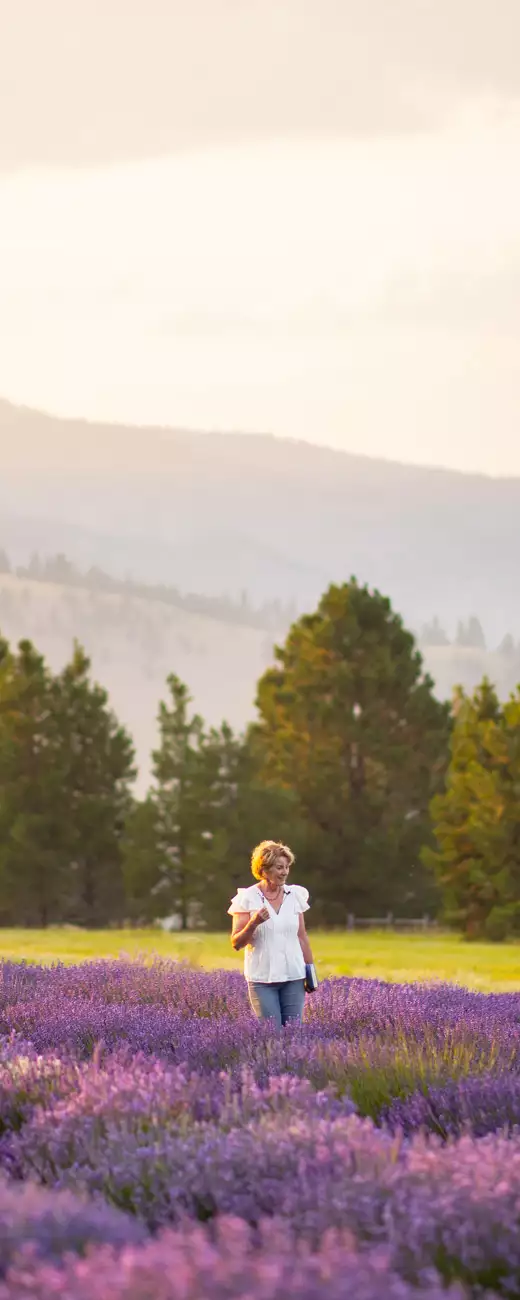
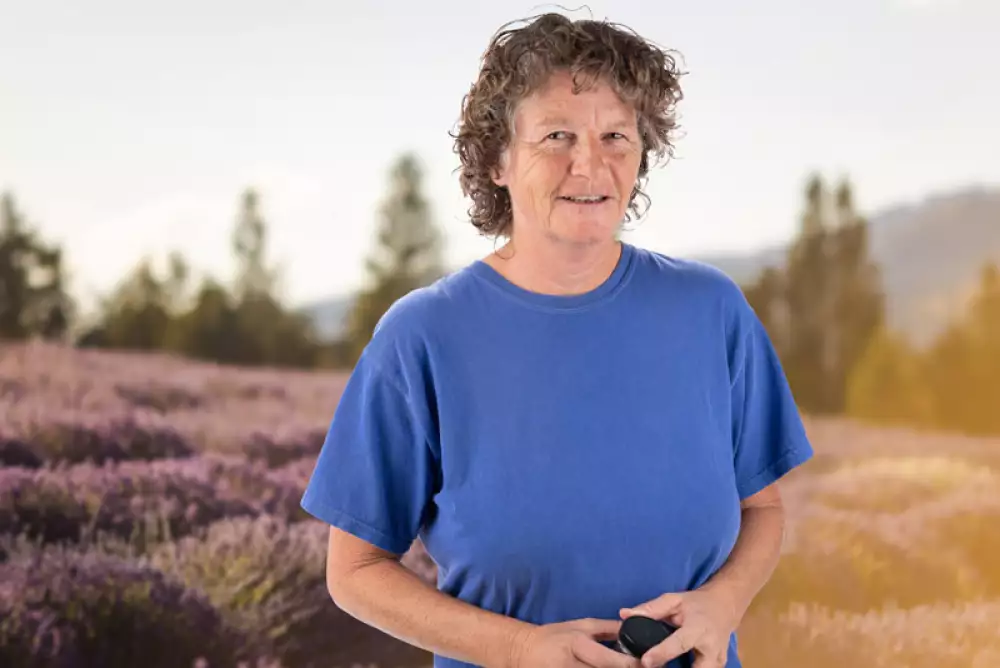
Hi, my name is Karen Williams and I'm your lead instructor at Aromahead. Aromatherapy has changed my life forever in ways I had never imagined. I’ve made it my mission to share what I’ve learned about aromatherapy with my friends, family, and the world. Because - life is so much better with health, happiness, and community.

Start Your Journey With Aromahead
The Aromahead Institute makes the study and therapeutic use of essential oils accessible to casual learners and healing arts professionals around the globe.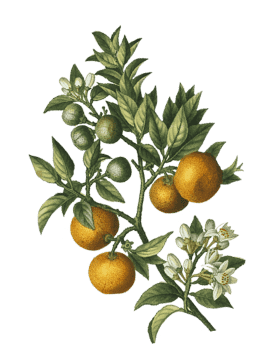
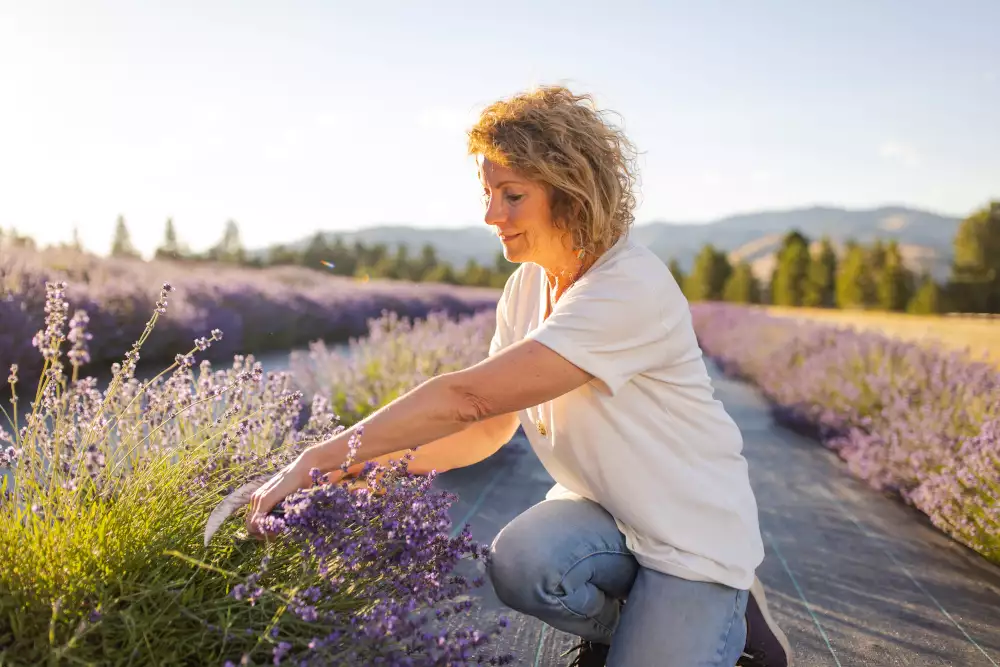
“Aromahead provides the best online instruction available anywhere, In addition to the excellent curriculum and materials, they provide thoughtful ongoing support.” - On A Mission To Heal
- Number of Students
- 34,179+
- Countries with Aromahead Graduates
- 150+
- Comprehensive and Beginner Online Courses
- 40+
- Certified Instructors & Staff Members
- 15+
The Aromahead Approach™ has always been about simplifying complex aromatherapy concepts to make learning fun, engaging & approachable for all.
We're proud of our long history and rich tradition of providing top-tier holistic aromatherapy education & certification. Read more about us here.
Expand your knowledge. Become a trusted expert.
Master the art and science of essential oils with our flagship aromatherapy course! The Aromatherapy Certification Program teaches you the science behind your essential oils so that you can use them safely and effectively—and share them with others.
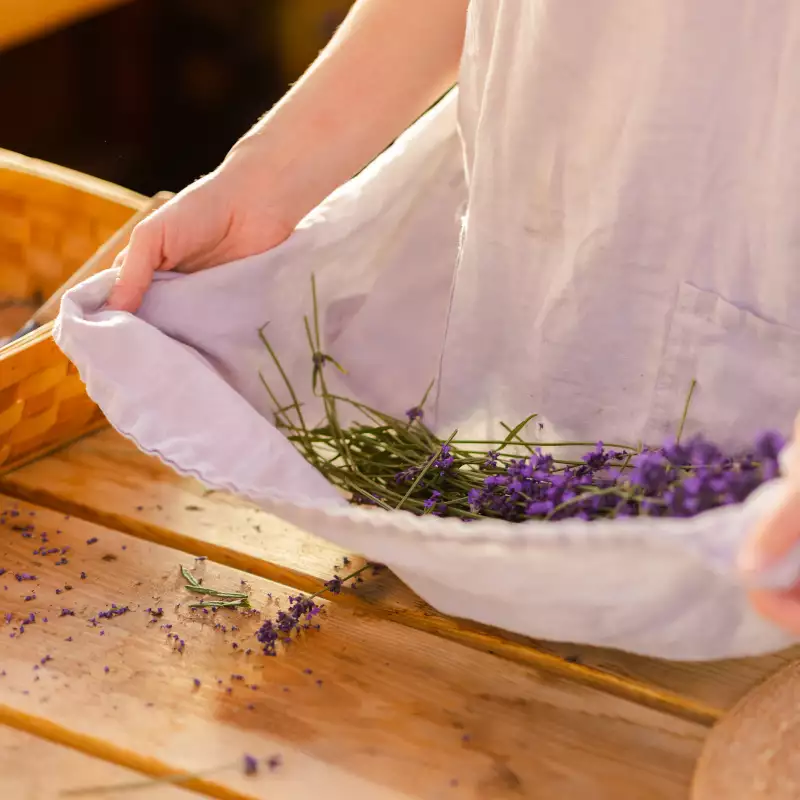
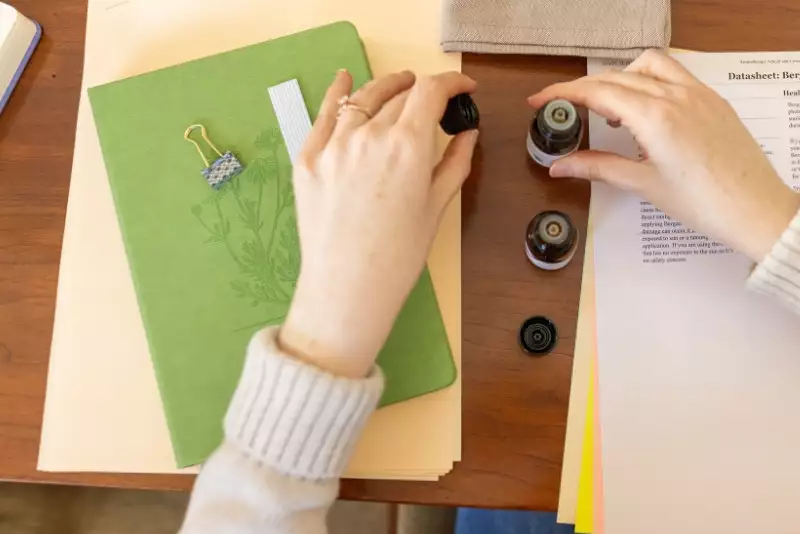
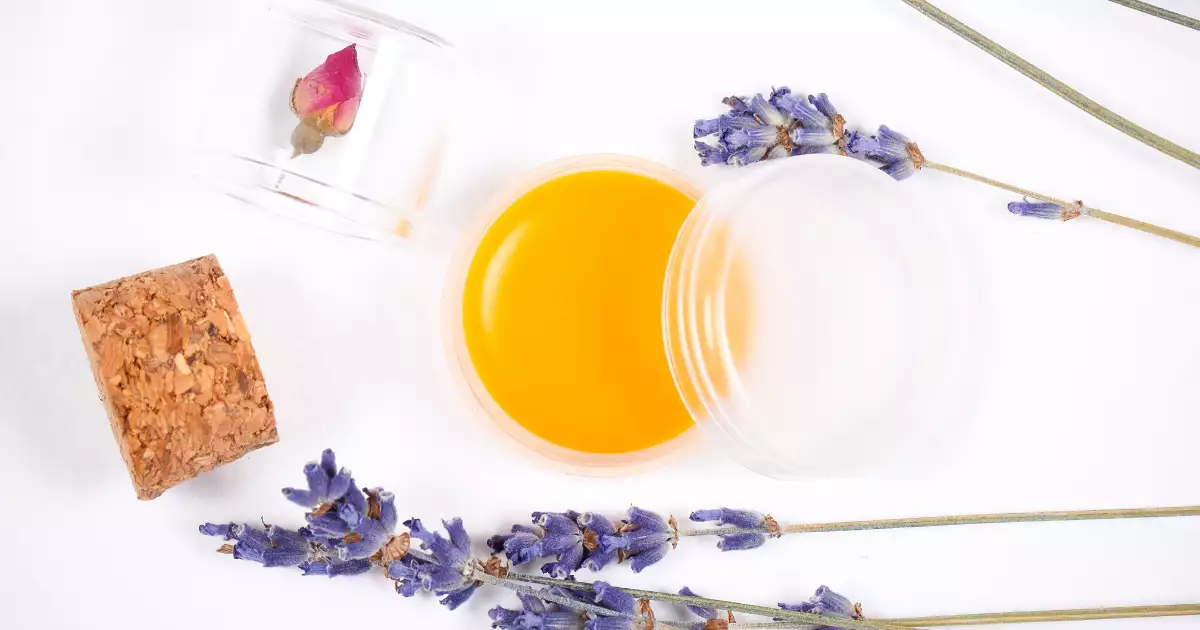
Browse over 40+ Aromatherapy Online Courses
Our vast catalog of aromatherapy courses is sure to have something you're interested in. From Natural Living, Aromatherapy Massage Therapy, to Sleep and much more.
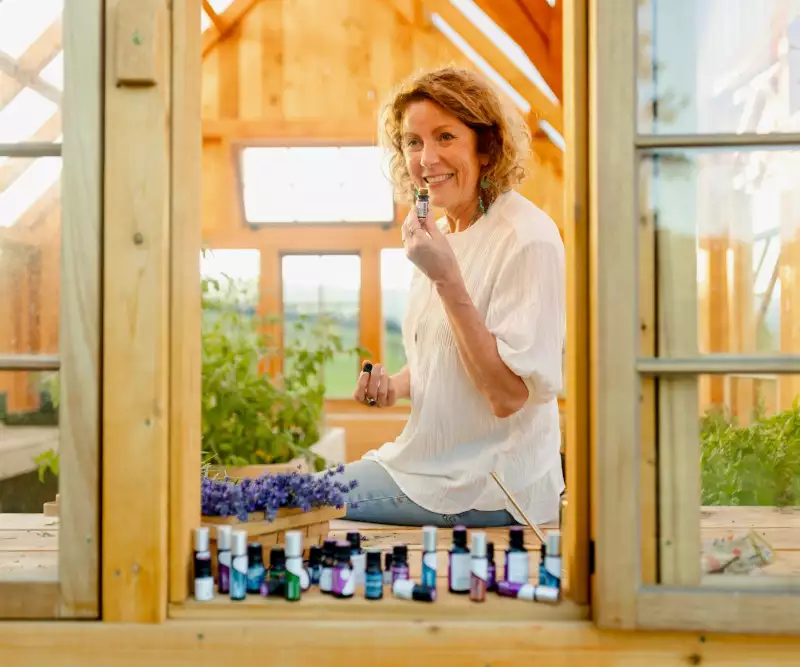
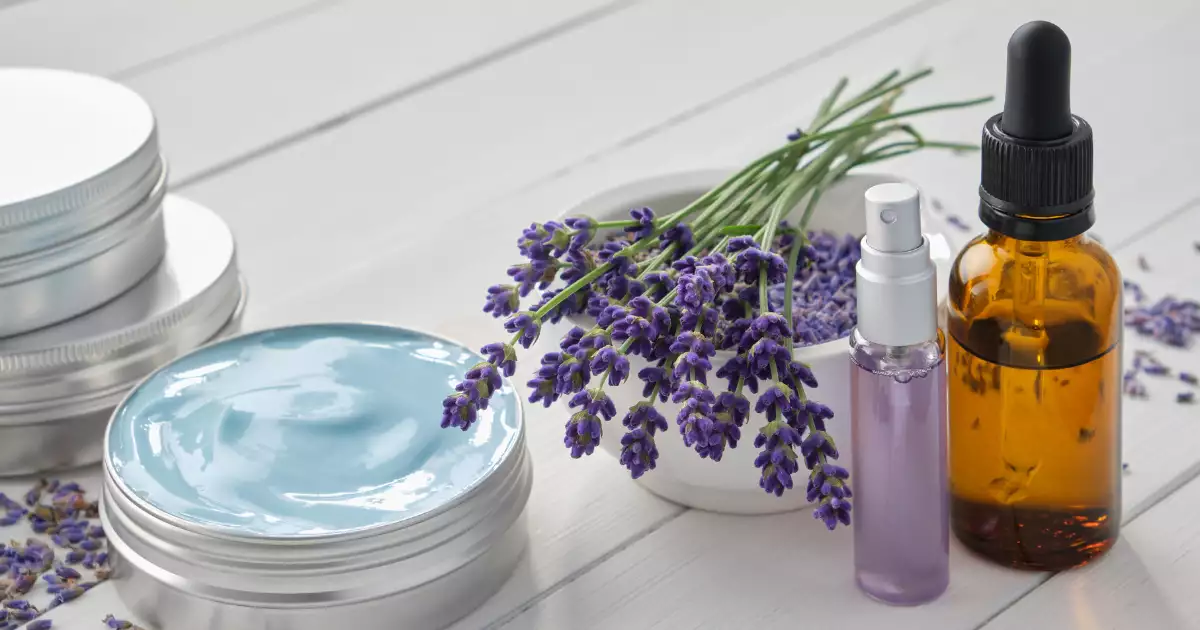
Join a Vibrant Community.
At Aromahead, you're joining more than just a course – you're becoming part of a network of dedicated professionals. Our community thrives on shared wisdom, collaborative learning, and a collective passion for aromatherapy. Engage with peers and mentors alike, drawing from a wellspring of expertise and experience.
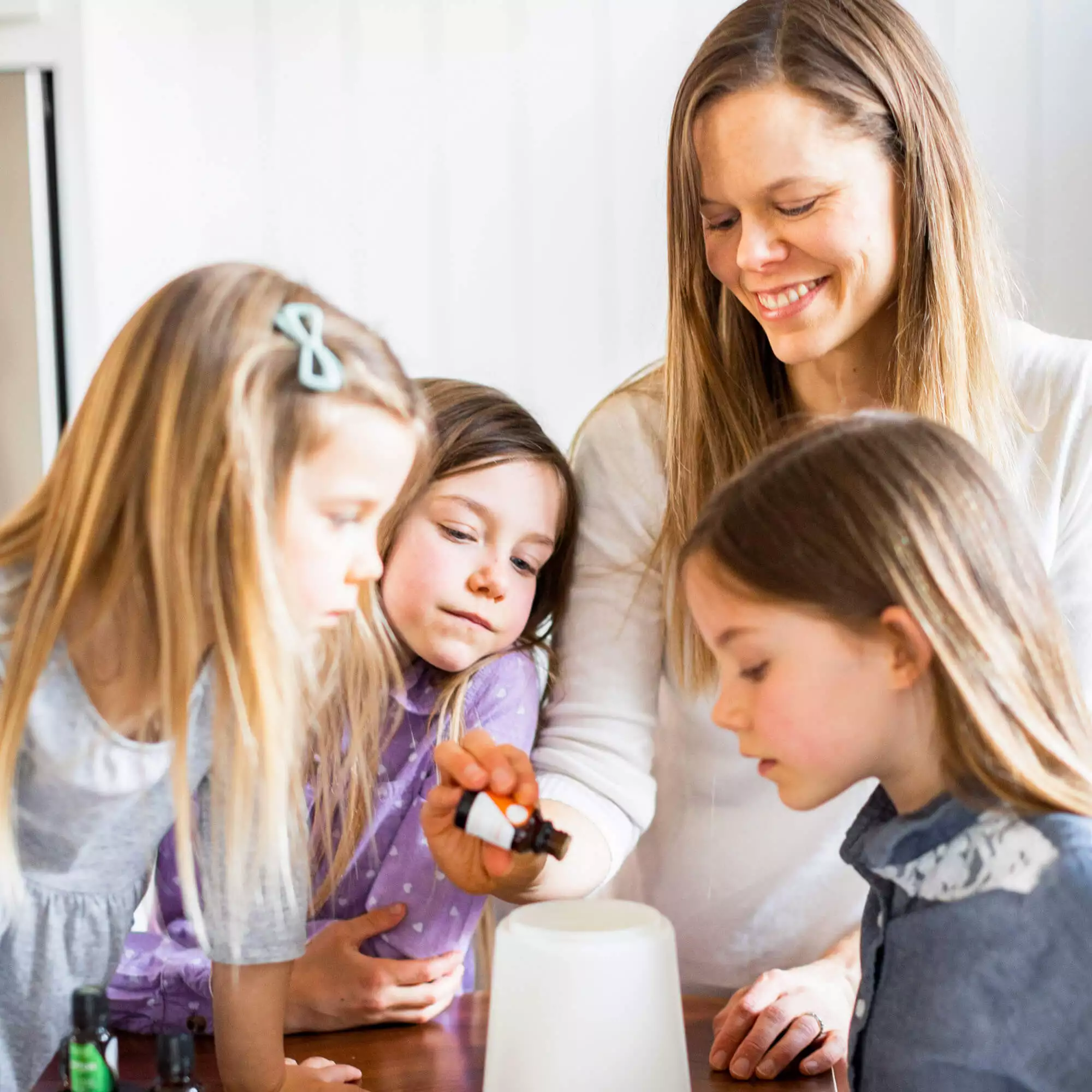
Meet Our Instructors
Blending your essential oils is easy when you know where to begin! That’s why we show you exactly how to properly blend your oils in this course. Here’s what we cover in the course:
-
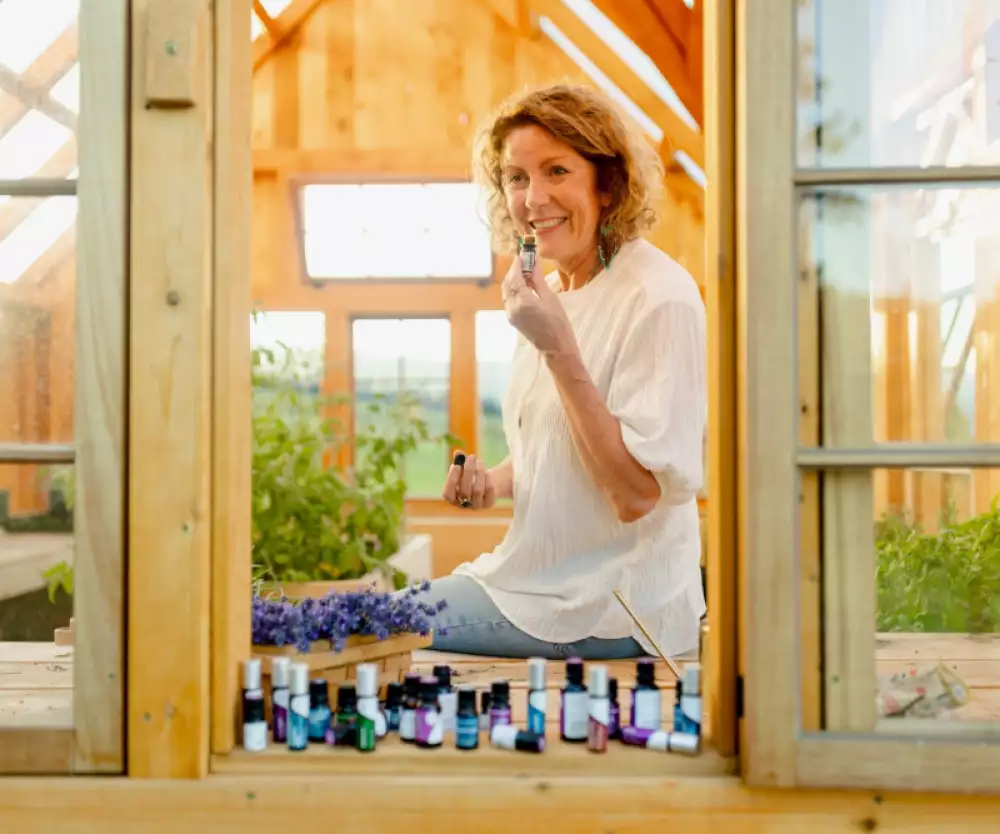
RN., Certified Aromatherapist., Owner
Karen Williams
There’s nothing I’d rather do more than share the power of essential oils by teaching others.
-
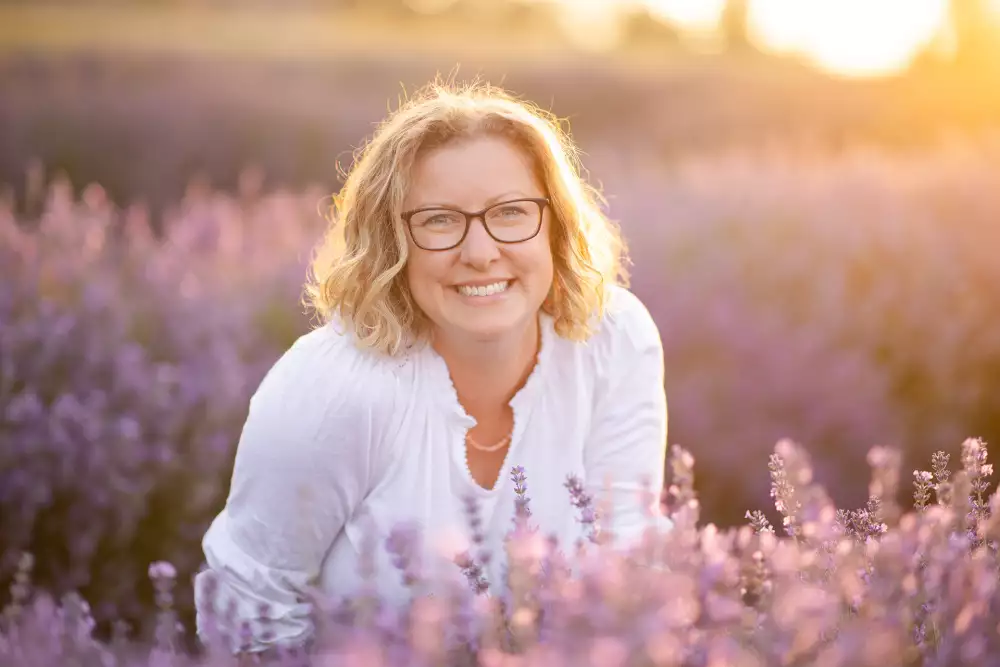
M.eD., Certified Aromatherapist, co-Owner
Jennifer Williams
Jenny is passionate about helping Aromahead students discover the incredible sense of wellbeing and effective aromatherapy.
-
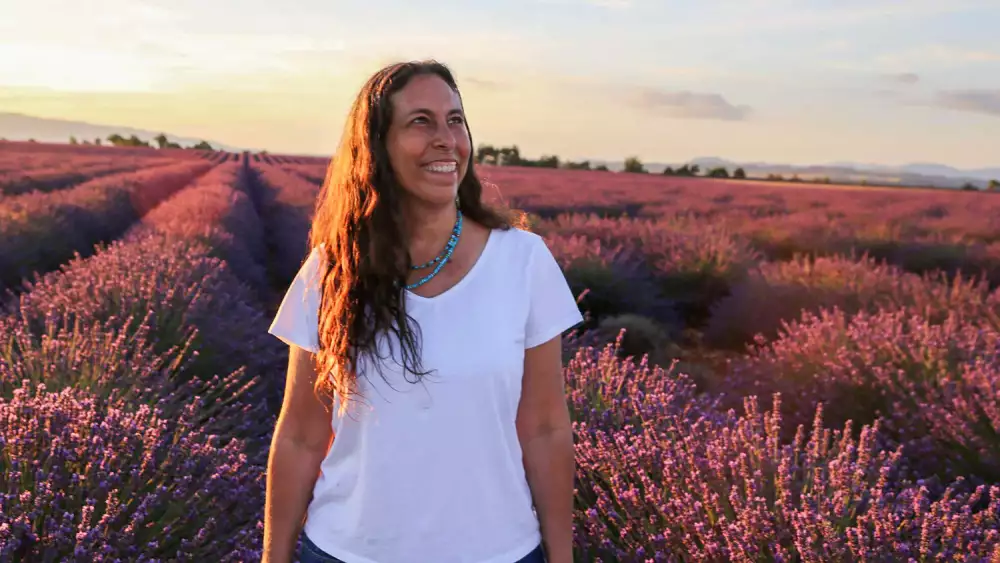
LMT., Founder
Andrea Butje
“Helping students master the art and science of essential oils is my passion and life’s work."
-
L.A.c., LMT, co-Founder
Cindy Black
Cindy pioneered the innovative Meridian Massage method and teaches anatomy & physiology.
Hear What Our Graduates Have To Say...
Our school is global and made up of the best students world-wide. Learn more about their stories.
Diana Leighow
Aromahead GraduateI like how thorough the classes are at Aromahead. I like that I can access the information even after completing the program. I learned more than I can put into words! The blending exercises, the case studies, the research, everything was invaluable towards helping me gain confidence to move forward as a Certified Aromatherapist. I am grateful for the Aromahead experience and can’t wait to help others on their journey to living a healthier life. I look forward to continuing my education at Aromahead!

John Gotera
Aromahead GraduateThe entire Aromahead staff provide an amiable online environment that is filled with substantial information and easy navigation. The staff responds to questions with professionalism, promptness, and love. The service and functionality is stellar! With Aromahead as my ally, I know that I'm paving my life in the direction that resonates with me. It's been a life-changing experience.

Pamela Gomez
Aromahead GraduateThe ACP Course Experience was awesome, to say the least. I was able to study online and not leave my responsibilities. There were times when life got in the way but the support and the technology was AWESOME!. I could watch the webinar and video on my mobile devices, the case study and research paper feedback was much more than I expected. The response time to my email with my case study mentor, Sheila was excellent. Additionally the course activities we great and my products always sold out.
Amanda Dean
Aromahead GraduateI would highly recommend Aromahead to anyone interested in essential oils. There are a wide array of classes to meet everyone's needs from those just starting out to advanced certifications. The online classroom is incredibly well organized and easy to navigate. Even though it's online learning, there is a very strong community presents and positive support.

Lori Spiegler
Aromahead GraduateI decided to take this class to step up my game and it was amazing! It was organized perfectly, making it easy to navigate and refer back to when I need to revisit something. They also do a good job making sure it is not all reading. The webinar recaps really help pull all the info together! I loved it so much I decided to take even more Aromahead courses. You can’t go wrong with the way Aromahead’s courses are being taught and I’m so glad I found them!
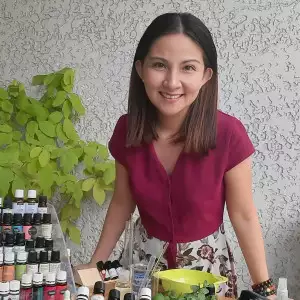
Ernalou Del Rosario
Aromahead GraduateThe classes are self-paced, the webinars are superb and their responsiveness to the student's concerns are just impeccable! Thank you, Aromahead, for making my dream a reality. Cheers!