Jul 30 2010

Spotlight on Guroo Farms Distillery in India

Published by Maria under Distillers

herbs-imgGuroo Farms Distillery is a group of certified organic farmers and distillers, with 550 acres of certified organic farm area. They are located in the Tarai area of Uttranchal, which is one of the most fertile belts in India in the foothills of Himalayas.

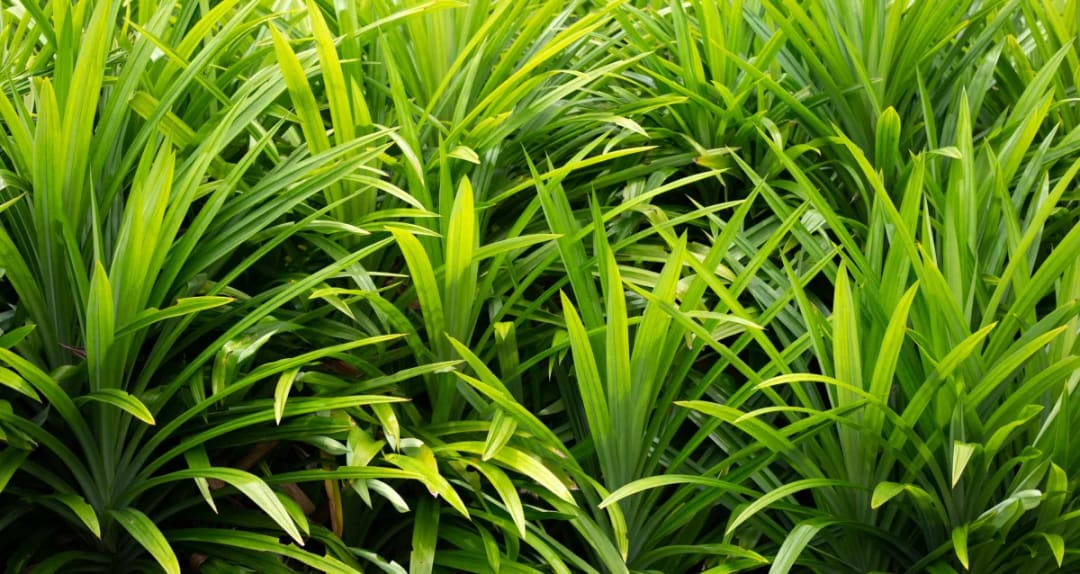
After three generations of farming in Tarai, Guroo Farms officially began in 2005 for cultivation of lemongrass and production of lemongrass oil.

Guroo Farm’s essential oils are certified organic, and their philosophy is to undertake agriculture in an environmentally-friendly way. Their products have been produced without the use of any harmful chemicals. The farm and the processing facilities are certified for NNOP, NOP and EEC standards.

oils_lgiThe main essential oils produced by this farm are lemongrass, peppermint and citronella. Their two chemotypes of lemongrass are derived by steam distillation of cymbopogon citratus. The peppermint is derived from steam distillation of Mentha Arvensis, and the Citronella is steam distillation of Cymbopogon nardus grass. They also work with other local farmers to distribute vetiver and other spice oils such as basil and rosemary.

One of Guroo farm’s research projects has led to the development of a variety of lemongrass, which is rich in geraniol and citronellol (collectively called “rhodinol”).  The aroma is similar geranium, with a rosy note.  This new lemongrass chemotype has become a favorite for many Aromatherapists.

Guroo farm is concerned with quality control and can provide the GC reports for each batch of oil from their local university. If you are interested in importing essential oils, these distillers are great to work with. They have a USA office that allows door to door delivery without customs hassles. Please let them know you read about them on Aromahead Institute’s blog.

To contact Guroo Farms Distillery:

Distiller: Gurpreet Singh
Email: info@guroofarms.com
Website: Guroo Farms

Share This Post:
  • Print
  • del.icio.us
  • Facebook
  • email
  • StumbleUpon
  • Twitter

No responses yet

Jul 26 2010

Soothing Skin Recipe: Three Carrier Oils for Burns

Published by Admin under Recipes and Blends

Healing Burns

There are many wonderful carrier oils that can nourish the skin and speed the healing of a burn on your skin. Baobab oil, Shea butter and Tamanu oil are three of my current favorites.

baobab-seed-oil

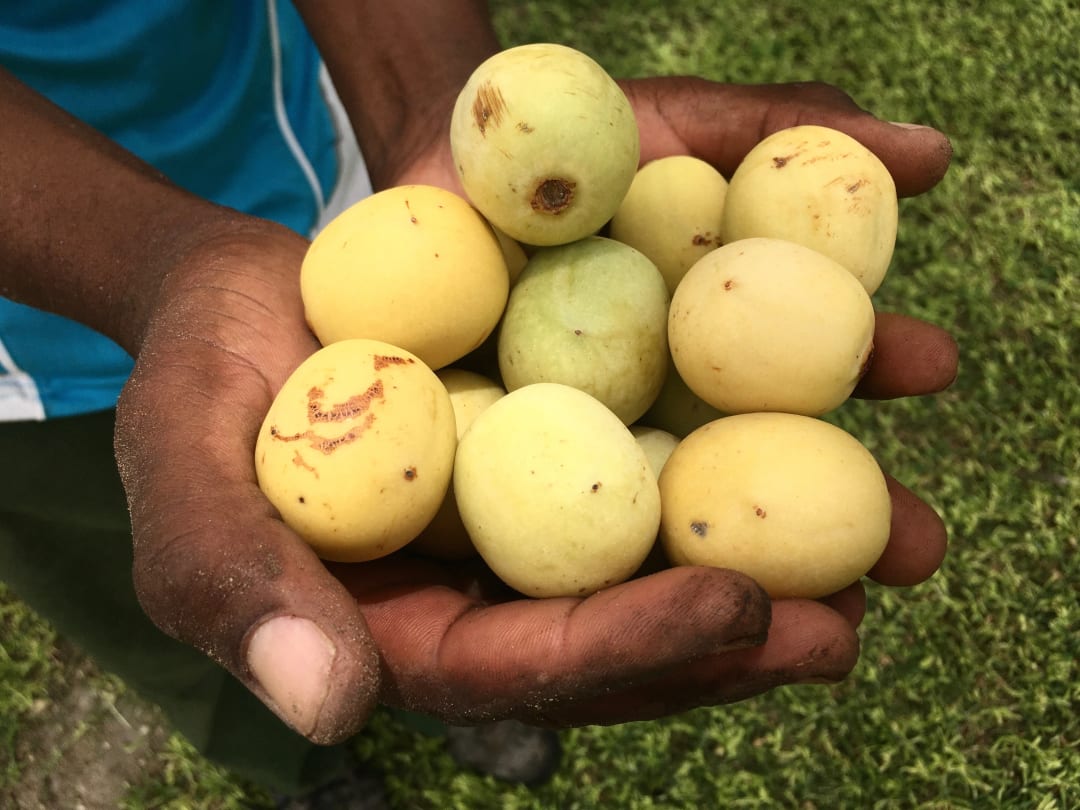
Baobab: The oil is made from the fruit of the Baobab tree (Adansonia digitata) by cold pressing the seed of the fruit. Baobab oil is highly penetrating, deeply nourishing and softens dry skin. It is known to restore and remoisturize the epidermis. Baobab oil has a high content of essential fatty acids.


shea-butter

Shea: Shea butter is extracted from the the Karite tree (Butyrospermum parkii), most often found in the tropical regions of West Africa. Shea is known to be an excellent moisturizer.  It is used as a lip balm, salve base, in body butters and in many skin care preparations. Used for sun-damaged skin and for long-term health of the skin.


tamanu-oilTamanu : The oil is made from the Calophyllum inophyllum tree. The harvested fruits are crushed to extract the nuts. The nuts are then sun-dried for eight weeks. During this time, the nuts turn brown and lose a third of their original weight. Inside their oil content becomes very high. Tamanu Oil does not exist in the fruit when it falls from the tree but forms during the drying period. Once dried, the oil is extracted from the nuts by cold pressing. Tamanu oil’s ability to heal damaged skin is well researched. The oil is notable for treating scars, stretch marks (fades stretch marks with great results), minor wounds, skin irritations, rashes, bedsores and many other skin concerns.

Burn Soothing Salve Recipe: In a double boiler melt a 1/2 oz of beeswax and then add 2 oz of Shea butter on a low heat and take of the heat as soon as the two are fully melted.  Mix in 1 oz of Tamanu oil, 1 oz of Baobab oil, and 30 drops of Lavender  essential oil (Lavandula angustifolia). Stir, pour into three 2 oz glass jars, cover and allow to cool. Apply this butter to the burn.

Share This Post:
  • Print
  • del.icio.us
  • Facebook
  • email
  • StumbleUpon
  • Twitter

No responses yet

Jul 13 2010

The Wonders of Bergamot! (Italy in a Bottle)

Published by Andrea under Miscellaneous

DSCN0717What could be more delightful than the bright, sparkling citrus aroma of freshly distilled Bergamot?

About 2 years ago Cindy and I traveled to Calabria in the south of Italy to visit an organic Bergamot distiller. Distiller Giuseppe Cuzzupi and his sister Elena warmly welcomed us at our hotel with regional bottles of Bergamot aperitifs and Bergamot jam.

We drove along the coast and the rural countryside of the toe of Italy to Giuseppe’s Bergamot production plant. Here we learned how the rinds of the fruit are transformed through an abrasion and pressing process into the bright olive green essential oil we all know and love.

Giuseppe’s grandfather began to grow a few hundred Bergamot Orange trees in 1970. His father continued the tradition, and with Giuseppe’s help the number has grown to 6000 beautiful, organically-grown Bergamot trees. In the past, the family sold their fruit to big corporate producers of essential oils. After realizing that their hard work growing biological (organic) Bergamot fruit was lost on products with no quality control, they decided to produce their own oil. They now operate a small, high quality plant near their grove and use only the fruit they cultivate to produce their essential oil.

Giuseppe Cuzzupi’s Bergamot essential oil is extracted from the peel of the fruit and stored at constant temperature without any further processing. It is 100% pure. The plant’s production capacity is 3000 kilograms of Bergamot essential oil per year, depending on weather conditions.

I asked Giuseppe to write out the steps he takes to produce Bergamot essential oil.

Bergamot Essential Oil Processing

Written by Giuseppe Cuzzupi

1. Fruits are collected from late November to January.

2. The process begins few days after the fruits are collected.

3. The first step of the process is a cleaning bath for the Bergamot fruits in a large basin

4. From the basin, the fruits are sent to the peeling machine by a conveyor belt.

5. The peeling machine is a centrifuge with a coarse basket. The rotation of the basket grates and separates the Bergamot peel from the fruit.

6. Peeled fruits are then ejected by another conveyor belt and used as food for animals.

7. The peels are taken from the peeling machine with a flow of water and filtered to remove the substance of the peel from the water.

8. The filtered water is now full of essential oil. It is conveyed to a machine that we call “separator” that retains the oil of the Bergamots while pushing the water back into the peeling machine.

9. The Bergamot peels remaining in the “separator” are collected into small cotton bags. These bags are then put into a power press. The oil extracted from the power press is much thicker than the oil extracted from the separator.

DSCN0726

The therapeutic properties of Bergamot essential oil (Citrus bergamia) are a true natural gift! Bergamot works wonders in massage oils to reduce tension and soothe painfully tight muscles. The essential oil is known to be a powerful antispasmodic and can be effective in reducing and eliminating muscle cramps, abdominal cramps and spastic coughing. Bergamot is emotionally uplifting, combats stress and depression, and is calming for the nervous system. It is one of the most valuable oils I use support emotional health and well being. It is also the oil that gives Earl Grey Tea its enticing citrus aroma!

Try using it in a diffuser—especially for depression—as it offers a light, uplifting and lovely aroma to the room.

Recipe For Muscle Cramps

9 drops Bergamot, Citrus bergamia

3 drops Lavender, Lavandula angustifolia

4 drops Roman Chamomile, Chamaemelum nobile

2 drops Sweet Marjoram, Origanum marjorana

Blend essential oils into 1 oz. of unscented cream or jojoba oil. Massage a capful gently into the cramped muscle area.

Bergamot oranges are gems from nature, providing us with an essential oil filled with sunlight and an extraordinary aroma with the ability to calm our nerves. I give my deepest appreciation to distillers like Giuseppe Cuzzupi who dedicate their lives to producing such a precious essential oil.

DSCN0741

To contact Guiseppe to purchase Bergamot essential oil you can email him (in Italian of course!) contacts@italianbergamotessentialoil.eu

*Minimum direct order is 8.5 kilograms—about 19 pounds or 300 ounces.

To purchase Guiseppe’s Bergamot oil in small sizes (1/2 oz.-16 oz.) visit www.aromaticsinternational.com.

For information on other Essential Oil Distillers please visit the International Directory of Essential Oil Distillers

Share This Post:
  • Print
  • del.icio.us
  • Facebook
  • email
  • StumbleUpon
  • Twitter

9 responses so far

Jul 08 2010

New Hydrosols at Aromatics International

Published by Andrea under Aromatics International

As many of you know, Aromatics International has a new owner, Karen Williams. Karen has an interest in hydrosols and has brought many new and exciting hydrosols to Aromatics International. She has added exotic hydrosols like “Victoria Blend” which is a combination of Rose Geranium, Lavender and Lemon Verbena. Imagine!

She has also added the hydrosols of lime (sublime), arnica, calendula and clary sage. Check out the Aromatics International hydrosol page to read about each hydrosol. I don’t know about you, but I think I have to have them all!!

Share This Post:
  • Print
  • del.icio.us
  • Facebook
  • email
  • StumbleUpon
  • Twitter

No responses yet

Jun 29 2010

Get to Know Hood River Lavender Farms

Published by Maria under Distillers

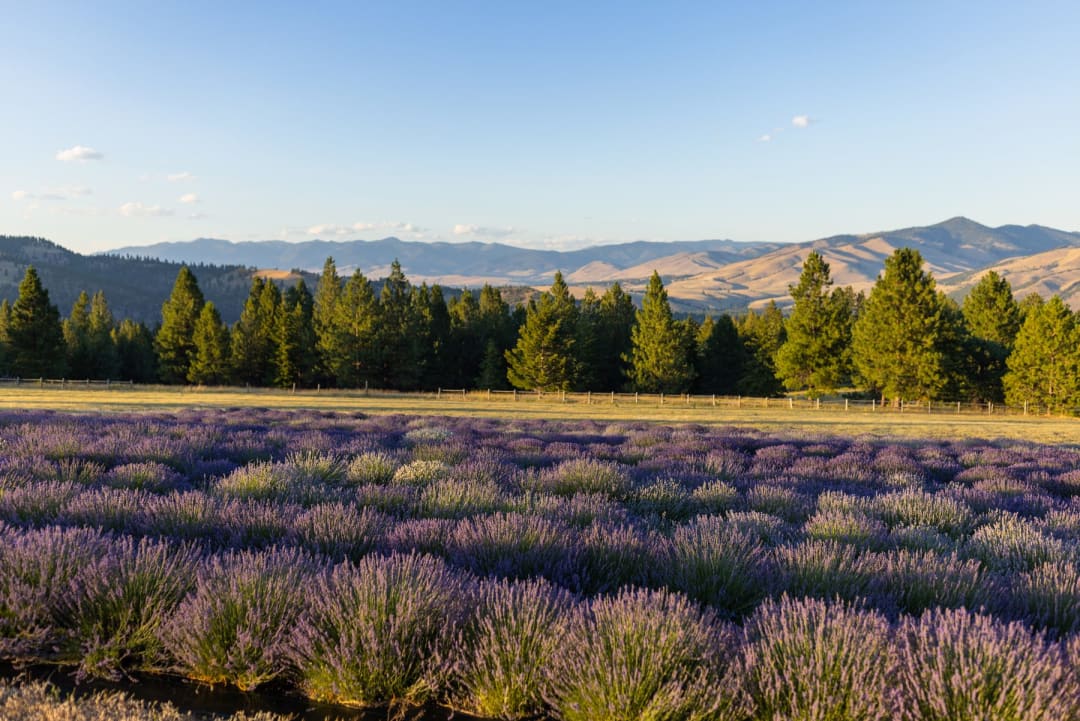
hoodriverWe recently spoke to Joe Orcutt from Hood River Lavender Farms, an essential oil distiller, wholesale farm and u-pick farm that consists of three certified organic farms.

In addition to lavender, Hood River’s farms produce pears, nectarines, plums, pluots, apricots, blueberries, grapes and other berries.  Here’s what Joe had to share with us:

What originally turned you on to organic, pesticide-free farming methods?

As a family, we started eating, and growing our own garden organically many years ago. We were concerned about synthetic chemicals we were consuming and discovered what “real” food tastes like. So when we started farming commercially, we knew we had to keep our convictions about the product, the environment and our responsibility to better the land we hand down to our future generations. The challenge to continue this organic farming has become easier the last few years primarily due to the internet and like-minded folks out there who publish information and methods on how to nourish soil and grow its nutrient value in a sustainable way.

Can you tell us a little more about the two varieties of lavender exclusive to your farm?

True lavender produces viable seeds. When you grow over 70 varieties the possible combinations of parent Mother-Father reproduction becomes huge. We will often observe new lavender starts that pop up in our fields to see if the start looks like a new variety and perhaps 1 we want to propagate. The 2 varieties that we have seriously propagated we have named “Mt Hood” and “D’Lucy”. Mt.Hood is a very prolific plant that continues to bloom through out the summer. We have often seen 3-4 bloom periods from this variety. The flowers are a pale blue, on long stems, and although it is a great landscape plant the essential oil is average. “D’Lucy” named after my Wife & her late Grandmother, is a darker flower plant, shorter stem, and more a keen to a True Hidcote or Folgate variety. Because they are both unique to our farm, they are popular with our customers.

What’s your favorite way to use lavender essential oil?

My favorite way to use lavender oil is as a sleep aid and to help calm me down during hectic and stressful situations. I have used lavender oil on pulse points, mostly my temples and forehead, before I lay down at night for years and am still amazed how well it carries me to a relaxed state where sleep is awaiting me.

Can you share a favorite recipes using dried culinary lavender?

My personal favorite recipes are the first 2 recipes on our recipe page, Lavender Shortbread and Lavender Vanilla Honey Shake.

What are some of Hood River Lavender’s most popular products?

Our most popular items are our essential oils and our culinary lavender. Followed closely by our Silk Lotion (which over 20% by volume is our lavender hydrosol), Mega Therapy cream, Shea butter Balm and Lavender Spritzer.

Can you give us an insider’s recommendation on where to say in the Hood River area?

If a Bed & Breakfast is what you like then I would recommend Old Parkdale Inn, Villa Columbia, or you can check with our local B & B directory. For a more conventional stay I would recommend The Hood River Hotel, its a very warm almost European style Hotel in the heart of quaint Hood River.

Visit Hood River Lavender Farms online, and if you stop by, tell them we said hello!

Share This Post:
  • Print
  • del.icio.us
  • Facebook
  • email
  • StumbleUpon
  • Twitter

3 responses so far

Jun 22 2010

A Student’s Perspective: Tomoko’s Thoughts

Published by Andrea under Education

As educators, we have the privilege of reading and grading research papers written by students with many perspectives and unique insights. Tomoko is an Aromahead Institute online Aromatherapy Certification Program student. She recently submitted her research paper and I asked her permission to share the end of her paper with you.

“We all are living with nature’s blessings. From plants, we have gotten food, and medicine which heals out bodies and clears our minds. We can get energy from trees and plants by inhaling their oxygen. Plants help us continuously.

Now, the Earth is being harmed with deep scars. Now it is harder to restore the earth. We can use essential oils rather than synthetic detergents to clean our kitchens and house. Each small step in the world can help to clean the oceans and rivers. Aromatherapy is fun, feels good, and fills the room with pleasant scents from nature. We can use it in everyday life. People may become healthy and full of vitality. If a lot of people heal themselves at a deep level, the earth might heal as well.

Aromatherapy is one of the gifts from the natural world. People can become more friendly with this and they might start to listen carefully to nature’s voice”

Written by Tomoko Matsukawa, Japan, 2010
Email: tomokoferguson@hotmail.com

Share This Post:
  • Print
  • del.icio.us
  • Facebook
  • email
  • StumbleUpon
  • Twitter

3 responses so far

Next »